.png)
Essential Guide to Crafting the Perfect One Sheet for Artists Radio Hosts and Podcasters
- Nina Capone

- Nov 16, 2025
- 3 min read
Creating a one sheet is a powerful way to introduce yourself and your work to potential collaborators, venues, sponsors, or media outlets. Whether you are an artist, radio host, or podcaster, a well-crafted one sheet can open doors and make a lasting impression. This guide breaks down how to build a clear, compelling one sheet that highlights your unique strengths and grabs attention.

What Is a One Sheet and Why It Matters
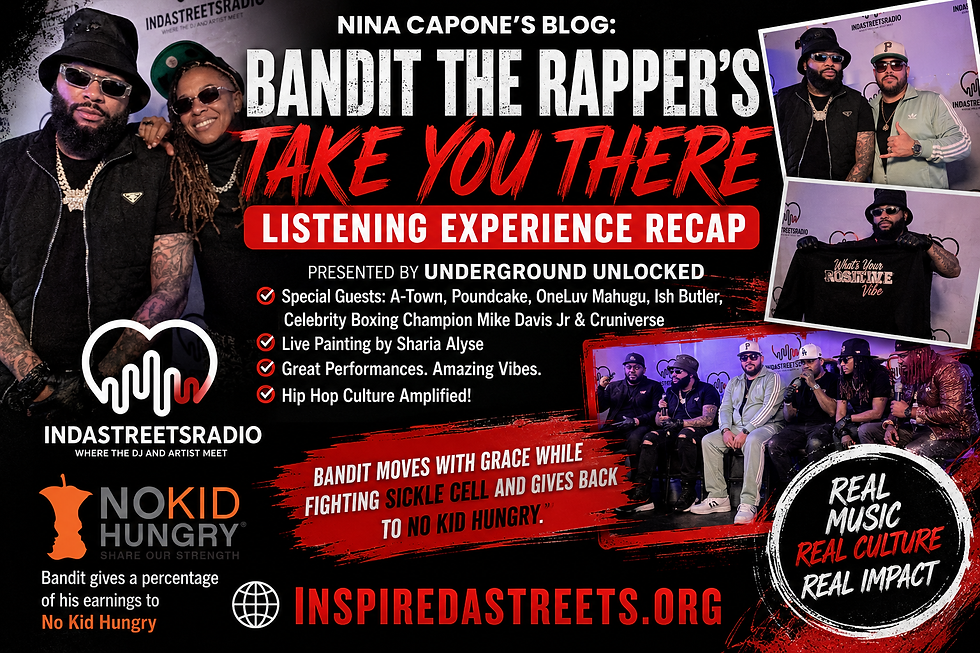
A one sheet is a single-page document that summarizes who you are, what you do, and why someone should work with you or feature your work. It acts like a business card on steroids, combining essential information with visuals and contact details.
For artists, it might showcase your style, exhibitions, and press mentions. For radio hosts and podcasters, it highlights your show’s theme, audience, and notable guests. A strong one sheet saves time for busy decision-makers by giving them everything they need in one glance.
Key Elements to Include in Your One Sheet
Your one sheet should be concise but packed with relevant details. Here are the main components to include:
Header with Your Name and Role
Clearly state your name and whether you are an artist, radio host, or podcaster. This helps recipients immediately understand who you are.
Professional Photo or Logo
Use a high-quality image that represents your brand. Artists might include a signature artwork, while hosts and podcasters can use a professional headshot or show logo.
Brief Bio or Introduction
Write a short paragraph that explains your background, style, or the focus of your show. Keep it engaging and easy to read.
Highlights and Achievements
List key accomplishments such as exhibitions, awards, notable interviews, or audience size. Use bullet points for clarity.
Samples or Links
Include URLs or QR codes linking to your portfolio, episodes, or social media. Make it easy for people to explore your work further.
Contact Information
Provide your email, phone number, and website. Make sure these details are current and easy to find.
Design Tips for a One Sheet That Stands Out
The look of your one sheet is just as important as the content. Here are some design tips to keep in mind:
Keep It Simple and Clean
Avoid clutter. Use plenty of white space and a clear font to make the sheet easy to scan.
Use Consistent Colors and Fonts
Choose colors and fonts that match your personal brand or show theme. Consistency builds recognition.
Include Visuals
Add images of your artwork, podcast cover, or radio setup. Visuals draw attention and make your sheet memorable.
Organize Information Logically
Group related information together with headings and bullet points. This helps readers find what they need quickly.
Use a PDF Format
Send your one sheet as a PDF to preserve formatting and ensure it looks professional on any device.
Examples of One Sheets for Different Roles
For Artists
An artist’s one sheet might open with a striking image of a recent piece, followed by a bio that explains your artistic vision. Include a list of exhibitions, gallery representations, and press features. Add links to your online portfolio and social media.
For Radio Hosts
Start with your name and show title, then describe your show’s format and target audience. Highlight any awards, notable interviews, or syndication. Include listener statistics if available. Add links to your show’s website and streaming platforms.
For Podcasters
Focus on your podcast’s theme and unique angle. Mention guest highlights and download numbers. Include quotes from reviews or media mentions. Provide links to your podcast on popular platforms and your website.
Common Mistakes to Avoid
Overloading with Information
Keep your one sheet focused. Too much text or too many images can overwhelm readers.
Using Low-Quality Images
Blurry or pixelated visuals reduce credibility. Always use high-resolution images.
Ignoring Contact Details
Make it easy for people to reach you. Don’t hide your email or phone number.
Neglecting Proofreading
Typos and errors make a poor impression. Double-check your text before sending.
How to Use Your One Sheet Effectively
Once your one sheet is ready, use it strategically:
Attach it to emails when pitching to venues, sponsors, or media.
Bring printed copies to meetings, events, or networking opportunities.
Share it on your website or social media as a downloadable resource.
A well-prepared one sheet can save time and increase your chances of landing gigs, interviews, or collaborations.


Comments